Pipeline from the accounts you actually want to win
Create demand with the right accounts by combining ICP strategy, intent data, ABM, content, paid media, SEO/AEO, and marketing automation to generate measurable pipeline.
The process
Demand generation is the strategic process of creating awareness, interest, and need for your products or services among your future customers. LeadCoverage develops industry-relevant campaign strategies that build on scalable processes, empowering our clients to become trusted subject matter experts. We make market leaders.
You should own the email address of everyone who can buy from you.
If you do not own the email and name of your total addressable market, you do not own your pipeline. Every program we build starts there: know who can buy, own the contact, and then earn their attention with the right message at the right time.
Share good news. Track interest. Follow up.
The Revenue Engine is how LeadCoverage runs every program. Demand generation is where all three steps meet, and each one is measured in volume, velocity, and value.

Give buyers a reason to care
Content, thought leadership, PR, analyst coverage, and paid media that put your point of view in front of the right accounts, so demand starts with something worth reading.
See who is paying attention
First-party engagement and intent data show which accounts are researching you and your category. If you own the contact, you can see the interest. If you do not, it is invisible.
Turn interest into meetings
Nurture, scoring, and routing in HubSpot put interest in front of sales and SDR teams quickly, while it is fresh. Most pipeline is lost in the follow up, not the campaign.
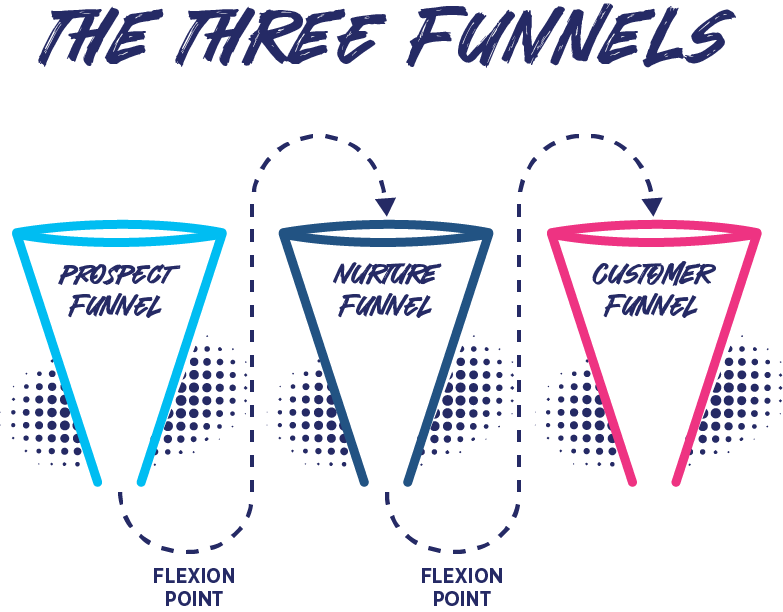
Win new accounts
ABM, intent data, paid media, and content that reach target buyers before they ever talk to sales.
Stay in front of buyers
Relevant follow up for the long supply chain buying cycle, so you are the familiar name when the project is funded.
Grow what you have won
Programs that keep customers engaged and open the door to expansion and referrals.
The way the rest of your business is measured: volume into the funnel, velocity through it, and value closed.
Read the case for a Revenue Engine: C-suite · CFO · CMO · Marketing leader · Sales leader · RevOps leader
Comprehensive strategies to create and nurture demand for your offerings
Demand generation
ICP, messaging, channel mix, and a plan tied to pipeline goals.
Content strategy
Content for every stage of the buying cycle, written for freight and logistics buyers.
ABM and intent
Named account programs powered by intent data and coordinated with sales.
Paid media
Search, social, and programmatic campaigns built around qualified leads and pipeline.
SEO and AEO optimization
Be found in search and in the AI answer engines where buyers now start their research.
Marketing automation
HubSpot workflows for nurture, scoring, and routing, so follow up is fast and consistent.

Related reading: Three strategies working in supply chain marketing · Answer engine optimization · AI referral traffic · Partner events on our news and events page
The four types of intent data
Intent data tells you which accounts are in market before they raise a hand. Not all intent is equal. There are four types, and LeadCoverage builds programs on three of them.
Primary intent
Signals inside your own ecosystem.
- Email opens and clicks, site visits, and time on page
- Form fills, demo requests, and event registrations
- Sales activity such as meetings, live chat, and logged conversations
Example: HubSpot Buyer Intent
Synced with HubSpot, this turns passive engagement into pipeline momentum. It is also why the email and name of your market matter: you cannot see first-party intent from people you cannot identify.
Secondary intent
Behavioral signals from across the broader web.
- Topic based research on your category
- Engagement with industry articles and resources
- Anonymous, company level signals
Example: Bombora
These are early indicators, such as companies researching solutions like yours before they ever visit your site.
Tertiary intent
Precision level account intelligence.
- Combined web, ad, CRM, and firmographic data
- Prediction of where a buyer sits in the journey
- Orchestration across email, ads, and sales
- Integration of premium research
Examples: 6sense, AdRoll, SalesIntel
This goes beyond generic interest to tell you who to engage, what to say, and when.
Single Stream Intent™
A LeadCoverage framework for finding in-market buyers before they convert.
- Lane visibility: the lanes and services buyers are searching
- Shipper insights into research and needs
- Behavior tracking across curated freight platforms
- Direct HubSpot integration for routing and scoring
Example: CarrierSource, a category LeadCoverage created
Visit CarrierSource →See intent data in action: Reaching shippers ready to buy · A $50M deal from dormant intent data · From intent signal to sales follow up in under five minutes · Big reach, small team
Six plays we run, drawn from our own case studies
The same patterns show up in every program that works. Each one is backed by a client result.
Define the ICP before the message
Who you target matters as much as what you send. One 3PL combined data aggregators with hands-on field research to build an extremely specific ICP, then scaled a 17 account program into 1:few ABM across 731 accounts.
Layer intent on top of pain points
Intent tools show which targets are in market. We combine that with the specific problems each segment faces, so messaging speaks to what the account is actually researching.
Test small, follow the signal, pivot fast
A 75 account test showed a surge of buying signals around one partner company. Within six business days we had a press release, social, programmatic ads, and email live around it. Accounts that surge are dropped into ABM start campaigns.
Make paid media specific
Unique landing pages, ad copy, and keywords for each campaign. Weekly search query reviews to cut wasted spend. Budget moved to what converts. SDR teams help write keywords and ad copy. Fewer, cleaner campaigns that the algorithms can optimize.
Give the market a point of view
A standing monthly working session with the CEO produced a sharp position, then executive thought leadership, an original data index, earned media, a podcast, SEO pillar and cluster content, and paid on Google and LinkedIn all carried it.
Build the engine that captures and measures
HubSpot lifecycle automation, lead scoring, and attribution, with clean routing to sales. A refreshed addressable market, owned contact by contact, so the interest you create can be seen and followed up.
Why supply chain companies choose LeadCoverage
Supply chain expertise
Don't spend months trying to get your ABM or demand gen agency to understand FT vs LTL. See an increase in qualified leads by targeting your ideal customer profile. Spoiler alert: it's not "everyone that ships."
Higher conversion rates
When you focus on the "who" you're targeting instead of the "what" you're sending, your conversion rates will increase.
Use your executive presence
Your executives have robust networks. Use them to share your point of view and show your future customers you have something to say.
Measurable ROI
Our clients have seen upwards of a 2000%* ROI on our demand gen campaigns.
*Results not guaranteed.
We service companies that are moving the needle in physical and digital supply chains


Demand generation case studies
Explore how our innovative solutions and tailored strategies are driving growth and transformation for companies across supply chain and logistics.
 Account based marketing
From inbound to hyper-targeted: how one supply chain software leader accelerated growth with ABM
 Paid media
From scattered ads to strategic growth: how we transformed a 3PL's paid media strategy
 1:few ABM and intent
How a 3PL turned a $0 pipeline into $40M in 90 days

 Point of view and demand
What happens when a TMS challenger commits to a point of view
 Full funnel Revenue Engine
An enterprise freight tech provider builds a go to market engine from scratch
Keep reading
Research and points of view from LeadCoverage that connect to the work above.
Three strategies working in supply chain marketing
What is working for supply chain marketers right now.
Read the insight →Supply Chain Growth Index
Original data on growth in the supply chain market.
Read the insight →Pipeline Impact Model
Model the pipeline your marketing should be producing.
Open the model →Sales Sophistication Matrix
Why MQL volume only converts when the sales team is ready for it.
Open the matrix →The Active CRM
How HubSpot's AI suite changes what a CRM does for revenue teams.
Read the research →Partner events
Supply chain and logistics events to attend, on our news and events page.
See the events →What supply chain leaders ask us about demand generation
How is demand generation different from lead generation?
Lead generation counts names. Demand generation builds interest among the right accounts and carries it through nurture to a sales conversation. We measure it by pipeline and revenue, not by the size of a list.
Why do we need to own the email address of everyone who can buy from us?
Because you cannot see interest from people you cannot identify. When you own the contact for your total addressable market, first-party intent, nurture, and follow up all work. When you do not, you are renting your pipeline.
Do you use intent data?
Yes. There are four types of intent data: first-party, third-party behavioral, ABM and AI-powered account intelligence, and Single Stream Intent for logistics. We build on first-party, ABM and AI-powered, and Single Stream Intent, and we are not investing in second level, third-party intent. Together they show which target accounts are researching your category, so we can prioritize them and give sales a reason to call now.
How do you work with our sales team?
Closely. Marketing and sales share the same account list, and signals route to sales and SDR teams quickly. Demand generation only works when follow up is as strong as the campaign.
How do we know it is working?
We report on volume into the funnel, velocity through it, and value closed, tracked in HubSpot from first touch to revenue.
How an engagement starts
From first call to a running Revenue Engine
Discovery call
We listen to how you sell, who you sell to, and where your pipeline stalls.
Funnel assessment
We look at your prospect, nurture and customer funnels and the data behind them, and find the weakest link.
Scoped plan and SOW
You get a plan tied to volume, velocity and value, with clear deliverables.
Run and report
We run the work and report on what moves pipeline, not activity.
Talk to a LeadCoverage strategist
Bring your pipeline numbers and we will show you where your Revenue Engine is leaking.